
Chronic body pain can impact every aspect of your daily life, from work to sleep and everything in between. While medication and physical therapy are standard treatment options, many people in Scarborough and the GTA are turning to alternative therapies like acupuncture for relief.
With its roots in Traditional Chinese Medicine (TCM), acupuncture has gained popularity in modern healthcare for its proven potential to ease pain and improve overall well-being. But is it the right option for you? This guide breaks down everything you need to know about acupuncture for chronic pain so you can improve your quality of life.
What is Acupuncture Therapy for Long-Term Pain?
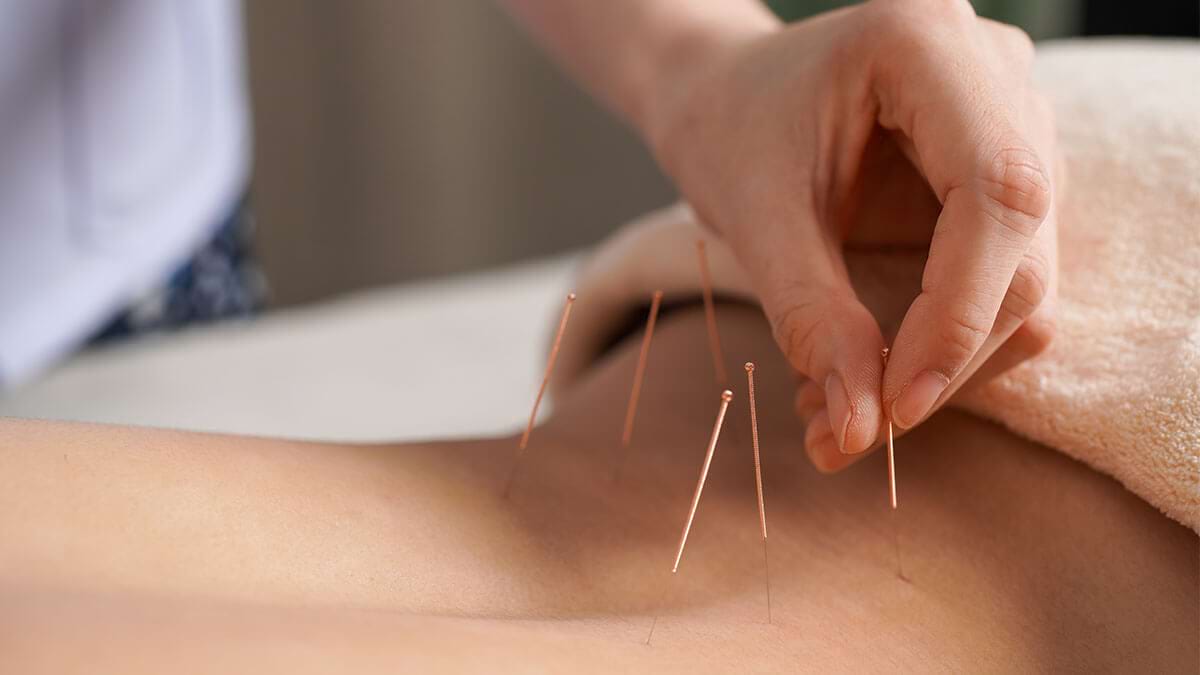
Acupuncture is a TCM method that stimulates specific nerve endings to promote deep muscular and skin relaxation. It may relieve various medical issues, including persistent and chronic pain. Although considered a complementary treatment, studies have proven that acupuncture is highly effective for different problems.
At Araya Health, we often see Scarborough residents who have tried conventional methods for years without success. Acupuncture offers a way to move beyond “masking” symptoms with medication to treating the underlying physical imbalance.
The Science: How Acupuncture Relieves Chronic Pain
Many people ask: How does a tiny needle stop long-term pain?
Modern research shows that acupuncture works through a “Neuroendocrine Response.” When a needle is inserted at a specific point, it sends a signal to your brain and spinal cord to release “feel-good” chemicals like endorphins and serotonin.
These chemicals are the body’s natural painkillers. Furthermore, acupuncture helps reduce local inflammation and improves blood circulation, which is essential for healing tissues that have been stuck in a cycle of “long-term pain” for months or years.
Key Acupuncture Points for Chronic Pain Relief
In a professional session, your acupuncturist doesn’t just place needles randomly. Depending on your pain, we target specific “Acupoints” recognized in both TCM and Western medicine:
- Hegu (LI4): Located between the thumb and index finger, often used for headaches and facial pain.
- Taichong (LV3): On the top of the foot, used for stress-related tension and lower body aches.
- Zusanli (ST36): Below the knee, known for boosting energy and addressing general body fatigue.
- Sciatic Nerve Points: Targeted along the lower back and legs to relieve sharp, radiating pain.
Acupuncture vs. Traditional Western Medicine for Pain
In Scarborough, many patients use an “Integrative” approach. While Western medicine is excellent for acute injuries and surgery, TCM and acupuncture excel at managing chronic, lingering conditions. Unlike prescription drugs, which can have side effects like drowsiness or dependency, acupuncture is a natural, low-risk alternative that promotes the body’s innate capacity for healing.
Who Should Avoid It? Important Contraindications for Acupuncture
While safe for most, there are certain situations where you should consult a doctor before booking:
Bleeding Disorders: If you have a bleeding disorder or are on heavy blood thinners.
- Pacemakers: If your acupuncture involves electrical stimulation (electro-acupuncture), it can interfere with a pacemaker.
- Pregnancy: Certain acupuncture points are known to stimulate labor and should be avoided unless discussed with a specialist.
- Skin Infections: Needles should never be inserted into areas with active infections or rashes.

What to Expect at Your First Araya Health Session?
The first acupuncture appointment typically takes twenty minutes to an hour. It begins with a review of your health status, medical history, and physical exam, followed by the needle insertion.
We understand that many first-time patients in the GTA are nervous about needles. Here is our process:
- Consultation: We discuss your specific pain points and medical history.
- Comfort: You will be placed in a comfortable, relaxed position.
- The Sensation: You may feel a tiny prick or a heavy, dull “Qi” sensation when the needle reaches the point—this is a sign the treatment is working.
- Aftercare: Most patients feel deeply relaxed or energized after a session.
Get Professional Acupuncture in Scarborough – Book at Araya Health
At Araya Health, each patient receives individualized recommendations from our experts. Whether you are an athlete in Markham or a busy professional in Pickering, our customized treatments ensure you stay pain-free.
Frequently Asked Questions:
How long does it take to see results from acupuncture?
For some, acupuncture provides rapid pain relief. Though some may feel better immediately, others suffering from severe injuries may require a series of 3–5 sessions before they find significant relief.
What are the chemicals released by the body during acupuncture?
Acupuncture can regulate hormone, neurotransmitter, and neuropeptide release through its effects on the neuroendocrine system, acting as a natural reset for your pain receptors.
Is acupuncture covered by insurance in Ontario?
Yes, most extended health care plans in Ontario cover acupuncture when performed by a Registered Acupuncturist. At Araya Health, we offer direct billing to most major insurance providers to make your recovery easier.