

In the fast‑paced world of hockey, every stride, pivot, and collision takes a toll on the body. That’s why massage for hockey players is more than a luxury — it’s a critical component of training and recovery. When used strategically, massage can reduce muscle soreness, help prevent injury, and optimize performance across seasons.
This article dives into the science and practice of massage for hockey players: the types of massage used, the timing and frequency of treatments, benefits for muscle repair and mobility, tips for integrating it into training, and how Registered Massage Therapists (RMTs) tailor their techniques to the demands of hockey.
Why Massage for Hockey Players Matters
Hockey is a physically demanding sport that combines explosive speed, direction changes, contact, and repetitive skating motions. Over time, these stresses can lead to tightness, microtrauma, and imbalance. Incorporating massage for hockey players helps:
- Accelerate recovery by enhancing circulation
- Break down adhesions and scar tissue
- Support flexibility and joint range
- Identify and correct asymmetries
- Reduce risk of overuse injuries
For elite players and weekend warriors alike, a consistent massage strategy can make a marked difference in performance, comfort, and resilience.
Types of Massage Techniques Used for Hockey Players
In massage for hockey players, therapists often combine several modalities to address different needs. These can include:
Deep Tissue Massage
A technique that reaches into deeper layers of muscle and fascia to release tightness, adhesions, and knots. Ideal after heavy training or games, deep tissue helps restore mobility to overworked muscle groups.
Myofascial Release
This focuses on the fascia—the connective tissue surrounding muscles—and helps reduce restrictions that impede movement or cause compensatory strain.
Trigger Point Therapy
A targeted approach to deactivate hyper‑irritable “knots” of tension that can refer pain to other areas, especially useful for shoulder, hip, and back complaints common in hockey.
Swedish / Effleurage Techniques
Lighter strokes to promote blood flow, relaxation, and lymphatic drainage. Often used during warm‑ups or the day after strenuous play.
Compression & Stretching Integration
Some sessions integrate compression (applying pressure along muscle fibres) or guided stretching to enhance flexibility and reduce stiffness.
When to Use Massage in a Player’s Schedule
Knowing when to get massage for hockey players can maximize its benefits. Ideal timing includes:
- Post-game / post-training — To help clear metabolic by‑products and relieve acute soreness
- Recovery days — Lighter sessions to maintain mobility and circulation
- Pre-game sessions — Gentle massage and mobilization to prepare muscle readiness
- Tournament settings — Quick maintenance sessions between matches
- Off-season / rest periods — Deeper or more frequent work to reset tissues and address chronic issues
Using massage strategically during these windows helps you maintain consistency in training without disruptions.
Physiological Benefits of Massage for Hockey Players
Targeted massage yields tangible effects that support athletic recovery and readiness.
Enhanced Circulation & Waste Clearance
Massage stimulates blood flow and lymphatic drainage, which helps deliver nutrients and remove waste products like lactic acid more quickly. At Araya Health, we use specialised techniques to maximise these benefits for faster recovery.
Tissue Repair & Reduced Inflammation
By modulating local blood flow and mechanical pressure, massage can reduce local inflammation in overworked areas. The skilled therapists at Araya Health focus on supporting tissue repair to get you back in top form.
Increased Flexibility & Range of Motion
Regular massage prevents stiffness and helps maintain joint mobility. This is especially important for hip flexors, quads, groin, and shoulders involved in hockey movement. Araya Health’s targeted approach helps maintain your flexibility and performance.
Nervous System Regulation
Massage can reduce stress hormones and activate the parasympathetic nervous system, allowing better recovery, improved sleep, and overall balance. At Araya Health, we prioritise this holistic effect for enhanced wellbeing.
Injury Prevention & Early Detection
Therapists at Araya Health often detect tight zones or altered movement patterns early, before they develop into pain or injury, helping you stay healthy and competitive.
Common Areas of Tension in Hockey Players
In massage for hockey players, therapists know to pay special attention to these muscle groups:
- Quadriceps & hamstrings — Overworked from skating stride
- Hip flexors / adductors / groin — Common source of strain
- Glutes / piriformis — Key to power and stability
- Lower back & lumbar region — From force transfer and posture
- Shoulders / traps — Especially in defence and collision situations
- Neck & upper back — From head movements and checking
Addressing these consistently helps maintain a balanced and resilient body.
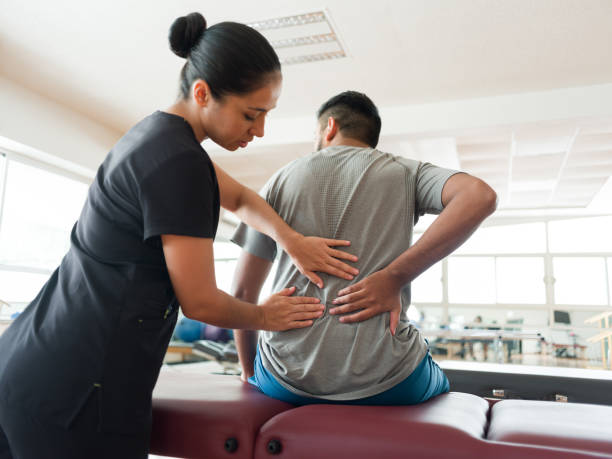
Integrating Massage into Training & Recovery
Here’s how to build massage for hockey players into a weekly plan:
- High load days (game or intense practice): massage the following day to support recovery
- Midweek training days: schedule lighter or maintenance massage
- Game day: a brief pre-game mobilization (not intense massage)
- Rest / off days: deeper sessions to process accumulated tension
- Off-season: evaluation, deeper correction, and addressing chronic imbalances
Communication between your RMT, coach, and physiotherapist ensures coordinated recovery.
Sample Session Workflow
A typical massage for hockey players session may look like this:
- Assessment & warm-up – light strokes, movement screening
- Deep work / trigger points – targeting problematic zones
- Myofascial or fascial release – focusing on tissue layers
- Compression / stretching – integrating mobility work
- Cool-down, light effleurage, and recovery advice
Each session is tailored based on your recent load, soreness, or upcoming game demands.
Tips for Maximizing Benefits at Home
To enhance the effects of massage for hockey players, do the following between sessions:
- Use foam rolling or tools on tight areas (glutes, IT band, calves)
- Follow stretching / mobility routines
- Hydrate well
- Sleep sufficiently
- Use contrast baths (warm / cold) depending on tolerance
- Avoid staying static — move, walk, light activity to keep tissues flowing
- Consistent self-care amplifies what massage provides.
Knowing When Massage Alone Isn’t Enough
While massage for hockey players can do much, sometimes additional interventions are necessary:
- Persistent pain or joint issues may need physiotherapy or imaging
- Sudden acute injury (e.g., sprain, muscle tear) may require medical attention first
- Structural imbalances or biomechanics issues should be addressed via strength & movement work
An experienced RMT will know when to refer or collaborate with other healthcare professionals.
How to Choose a Quality RMT for Hockey Performance
When seeking massage for hockey players, look for:
- Credentials and licensure (e.g. registered with provincial association)
- Experience with sports / athletic clientele
- Understanding of hockey biomechanics
- Strong communication and adjustment based on feedback
- Integration with wider care (physio, strength & conditioning)
A good therapist is proactive, responsive, and aligned with your athletic goals.
Conclusion: Elevate Your Game with Massage for Hockey Players
Integrating massage for hockey players is not optional — it’s a strategic investment in your performance, recovery, and career longevity. When applied thoughtfully, targeted massage reduces soreness, improves mobility, prevents injuries, and supports sustainable training cycles.
Partner with a qualified RMT, schedule strategically, and complement massage with strong self-care habits. Over time, you’ll feel the difference in strength, resilience, and on‑ice consistency.
Ready to enhance your performance and recovery? Contact us today to book your targeted massage for hockey players and experience the difference expert therapy can make.
FAQs: Massage for Hockey Players
Aim for within 24–48 hours post-game to assist in clearing metabolites and reducing tightness, while being gentle to allow tissues to recover.
Depending on your schedule, many players benefit from 1–2 sessions per week during heavy training or competition periods, and 1 session per week in maintenance phases.
Yes, if performed by a qualified RMT and adjusted to comfort. Ensure clear communication about pressure, pain, and feedback.
Yes — by addressing muscle imbalances, reducing tightness, and enhancing circulation, massage contributes to better resilience and lower injury likelihood.
It’s possible, especially after deeper work. However, soreness should be mild (like regular training soreness) and improve the following day. Inform your therapist if soreness is excessive.